
The unmissable: Hyères
The southernmost city of Provence, Hyères opens onto the Mediterranean and the first beaches of the French Riviera. With a thousand-year-old history, an exceptional climate and environment, the city confirms today that it is much more than a seaside resort: a place not to be missed, rich in a unique natural and cultural heritage, where life is (very) good.
 It all began when, about five centuries before Christ, a handful of Greek explorers landed on the Almanarra coast. Convinced of the potential of the place, they founded a trading post which they named Olbia: "the happy one". Our Hellenic ancestors had a hollow nose! In the second century BC, the Romans joined them and founded Pomponiana, a galley port. It is possible to retrace this history by visiting the archaeological site of Olbia, and to immerse oneself (literally) in this era thanks to the underwater path of Olbia, to discover the ancient Roman quay and the wreck of the Tartana.
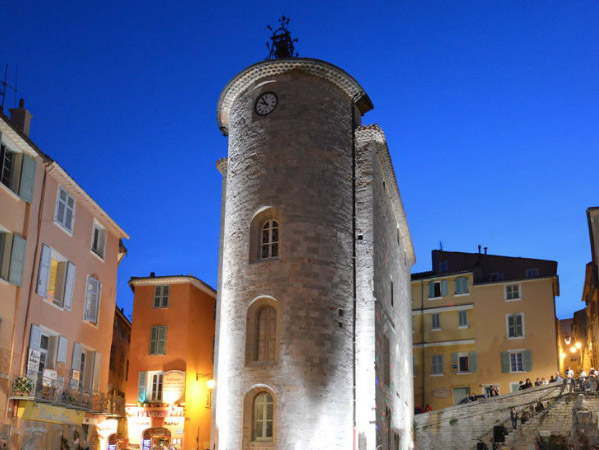
The city took its rise in the Middle Ages, around the Castle of Hyères, built on the hill of Castéou which dominates the city. Visiting its remains will give you the opportunity to admire a breathtaking panorama of the coastline, the Golden Islands and the first foothills of the Massif des Maures. At the foot of the castle, the medieval historical center seduces by its authenticity and its large-scale architectural heritage. The art trail is the best way to discover it: it will lead you to the Saint Louis church, the Saint Paul collegiate church, or even, through its colorful streets, to the Templar Tower.
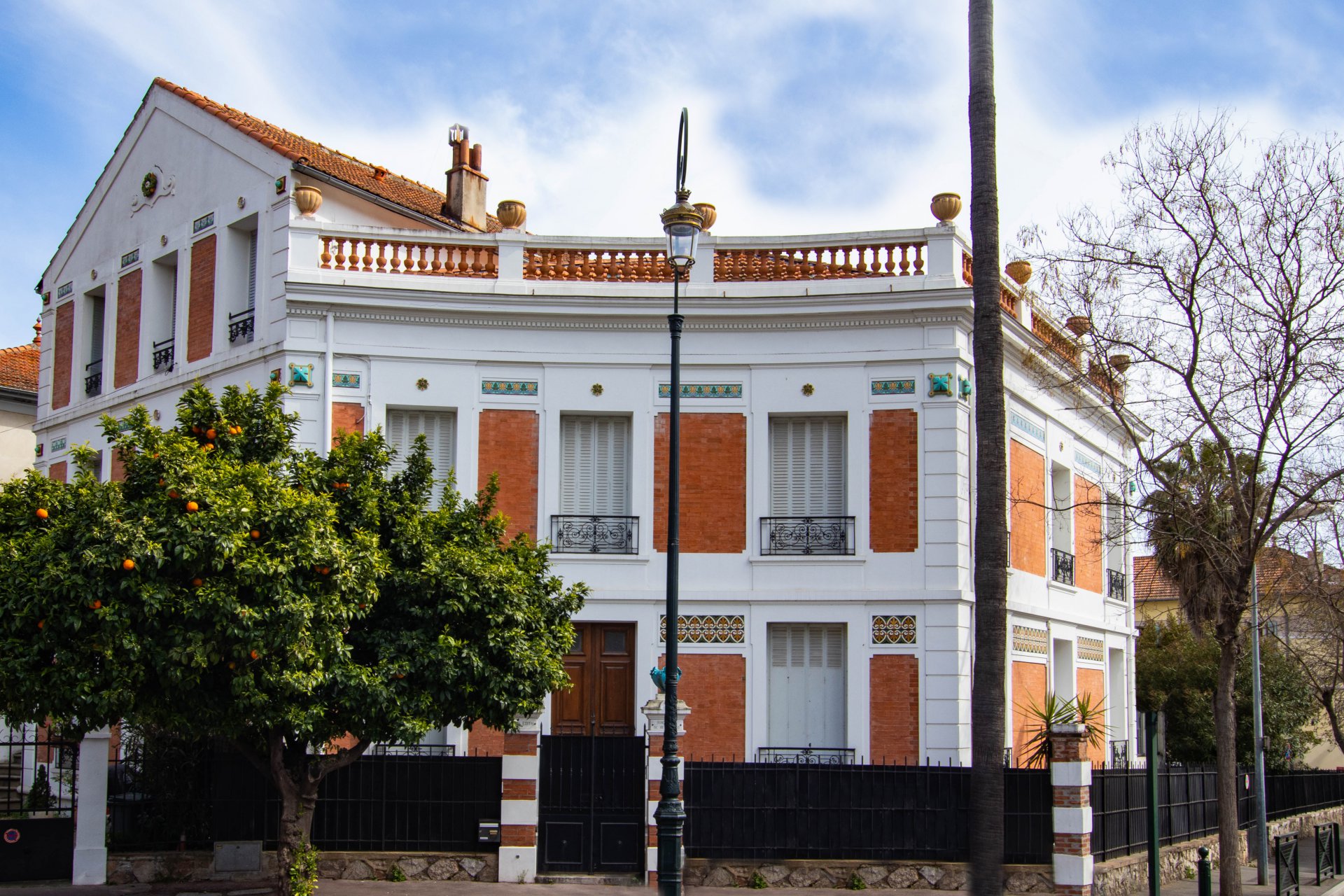
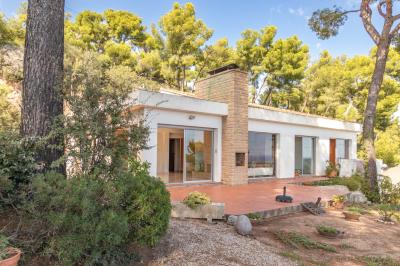
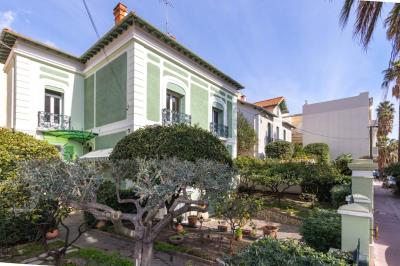
The new town, as we know it, starts to take shape in the second part of the 18th century. Hyères was then a winter resort, a privileged place for the English aristocracy who came to enjoy the mildness of the local climate and its therapeutic virtues. Queen Victoria stayed there regularly at the end of the 19th century and the writer Robert Louis Stevenson, author of "Treasure Island", spent the last years of his life there. The legacy of this prosperous period is materialized by an urban heritage of incredible richness, with a strong Anglo-Saxon consonance. One example is the Park Hotel, a former neo-classical palace surrounded by the gardens of King Louis XIV, which today houses the Tourist Office. If you push a little, you will discover many British-influenced houses and villas that dot the streets of the new town. A must-see!
Another building not to be missed is the Grand Hôtel des Iles d'Or, once known for its one hundred south-facing rooms. Alexis Godillot, the famous inventor of the shoes that bear his name, became its owner before contributing greatly to the transformation of the city. With the help of his architect friend Pierre Chapoulart, he gave it the familiar face we know today. To go further, a small detour on Victor Hugo street is necessary to discover the history of the "manège Godillot".
The mild climate is also conducive to the establishment of a wide variety of exotic plant species. It is difficult to miss the presence of the 7,000 palm trees that gave the city its name. Citrus fruits, and in particular orange trees, also have an important place there. In 1564, Catherine de Médicis wanted to build an exotic garden in the city. The project was abandoned because of the religious war. In 1660, Louis XIV had a nursery of orange trees installed to supply the orangeries of the Tuileries and Versailles. Today, it is possible to take a quiet walk in the numerous parks of the city. The most famous is the Olbius Riquier park, a botanical garden of 7 hectares which was built as an annex of the acclimatization garden of Paris. There are many tropical species: palms, bamboos, banana trees, cacti, agaves, hibiscus... A change of scenery!
But that's not all: Hyères is now considered the French capital of cut flowers. Several hundred producers and buyers regularly gather at the large flower market, located at the western exit of the city. The local horticultural production represents 25% of the national production. The roses produced in Hyères are among the most beautiful in the world!
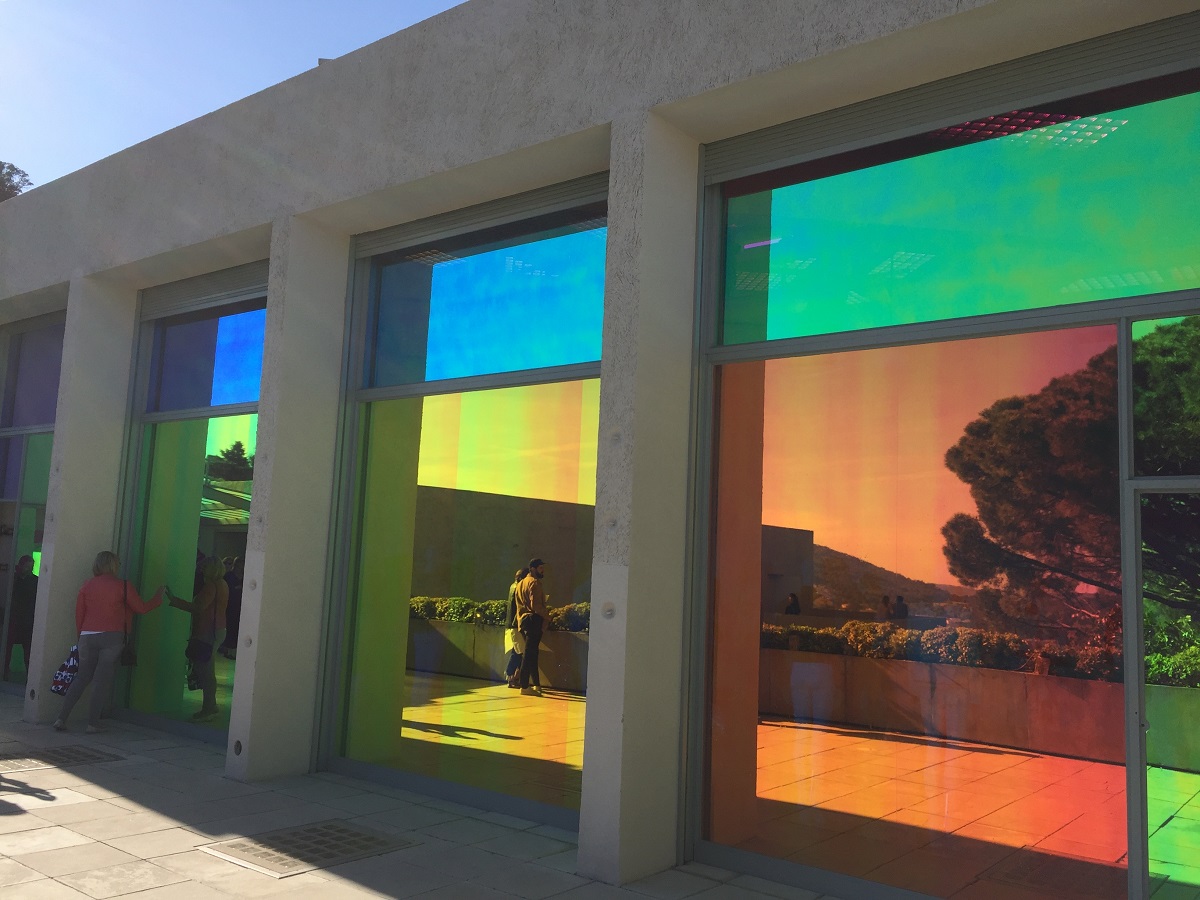
Art lovers will meet at the internationally renowned Villa Noailles. You will discover exhibitions of fashion, architecture, design and photography. Every year, the International Fashion and Photography Festival brings together designers, photographers and professionals for 3 days. A must!
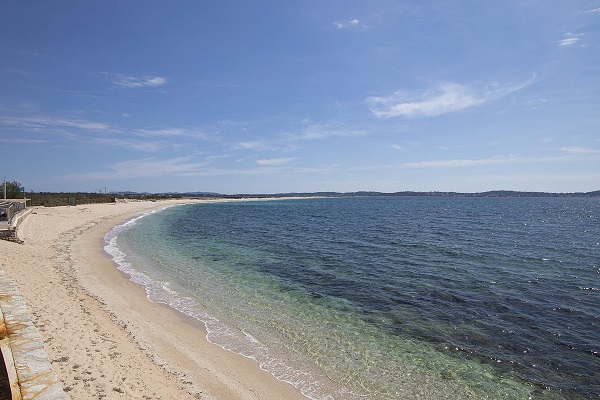
How can we talk about the riches of Hyères without mentioning its coastline? The sea is everywhere! It offers everyone a full range of seaside pleasures on 40 kilometers of wild coastline and beaches. On the program: swimming, sunbathing in the shelter of secluded coves, family picnics, beach games and board sports in a heavenly atmosphere. A must-see is the beach of L'Almanarre, the most famous in the city, thanks to its famous spot that hosts the annual funboard world cup and the kitesurf world cup. It is also part of the selection of the New York Times magazine, a reference in terms of lifestyle. Then take advantage of being there for a magical walk on the coastal path of the Presqu'île de Giens
Don't forget to make a small detour to the city's salt flats, which are home to dozens of bird species, including the famous pink flamingos, which are present in large numbers every year.
Finally, and to end on a high note, a word about the Golden Islands: Porquerolles, Port-Cros and Levant. Three small pieces of land with evocative names and breathtaking landscapes. In the heart of one of the oldest national parks, they are just a shuttle ride away for an unforgettable stay. The best: a dive to discover the richness of the underwater landscapes of Port-Cros, a mythical spot among the most famous by the aficionados of the discipline.